Service

In-situ field testing for roads, pavements & foundations

In-situ testing that verifies what was actually built — bearing capacity, subgrade strength, compaction and moisture — measured on site, on the layer that matters, while the works are still open.

Overview

Laboratory results describe a sample. Field testing describes the ground as constructed, at the exact location and elevation where a pavement, a raft or an embankment will perform. That distinction is why earthworks acceptance, runway subgrade approval and shallow foundation verification all rest on in-situ measurement.

Horema's field teams deploy into active sites, sequencing tests around the contractor's works so that verification never becomes the item holding a programme back. Crews carry calibrated equipment and report against the specification the works were let under.

Where results fall outside specification, the test record is precise enough to isolate the layer, the location and the likely cause — allowing remediation to be targeted rather than applied blanket across a platform.

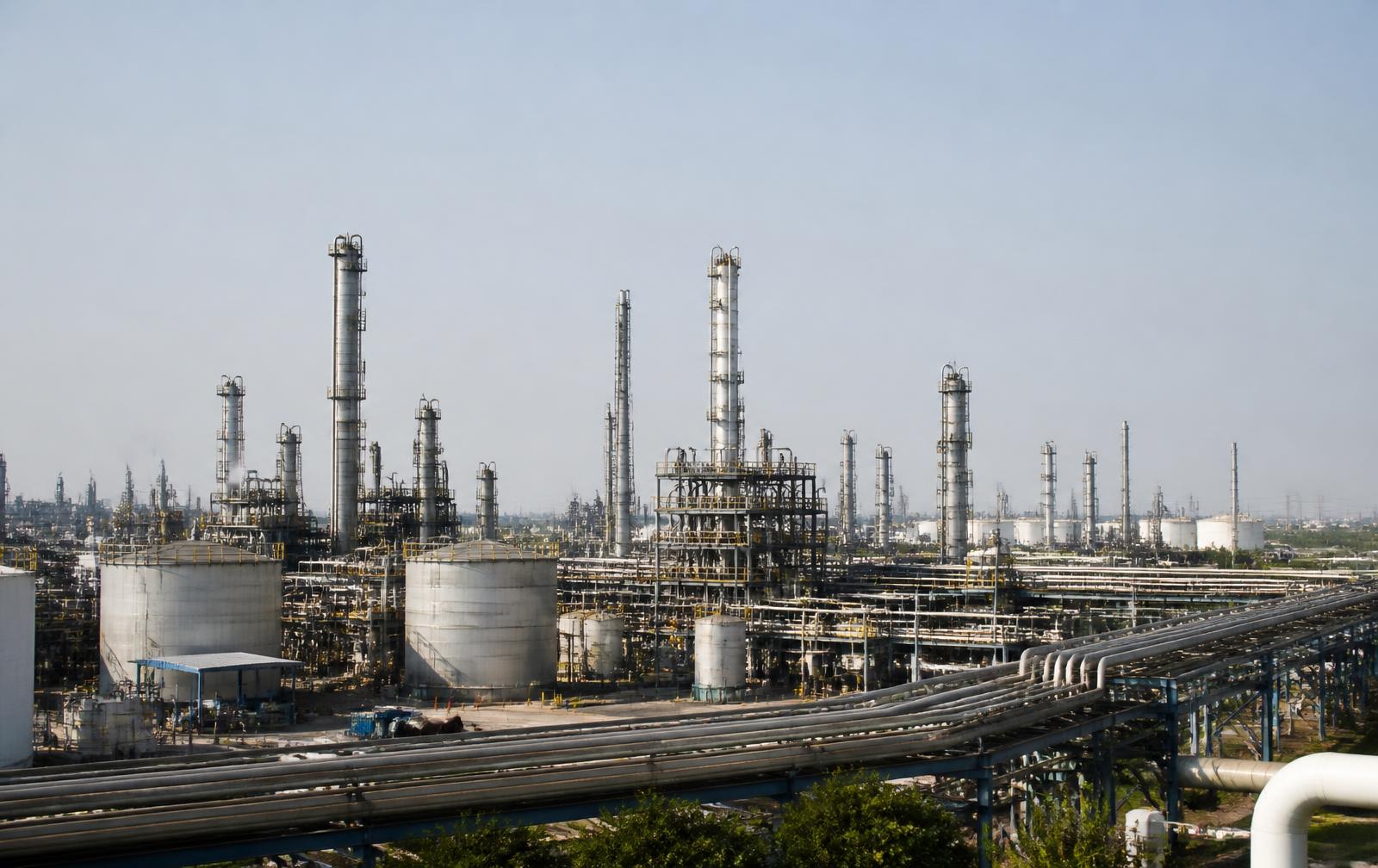
Field testing of runway and pavement subgrade at an Egyptian airport project

Methods & standards

Test methods and the standards they follow

Plate load test

ASTM D1194 · ASTM D1195/D1196 · BS 1377-9

Incremental loading of a rigid plate to measure bearing pressure against settlement, giving allowable bearing capacity and modulus of subgrade reaction for shallow foundations, tank bases and pavement design.

California Bearing Ratio (field CBR)

ASTM D4429 · BS 1377-9

In-place subgrade strength expressed as a CBR percentage, the primary input to flexible pavement thickness design for roads, runways, taxiways and hardstandings.

Sand cone density test

ASTM D1556

In-place dry density and compaction ratio of fill and subgrade, compared against Proctor maximum dry density to verify compaction acceptance layer by layer.

Moisture–density (Proctor) control

ASTM D698 (standard) · ASTM D1557 (modified)

Reference compaction curves established in the laboratory and applied to field density results, so acceptance is judged against the correct optimum moisture content for the material in use.

Test pits & trial trenches

ASTM D420 · BS 5930

Machine or hand-excavated inspection pits exposing near-surface stratigraphy, existing pavement construction, fill quality and buried features, with bulk sampling and photographic logging.

Field permeability & infiltration

ASTM D3385 (double-ring infiltrometer)

Surface and near-surface infiltration rates for drainage, soakaway and stormwater design on development platforms.

Electrical resistivity of soil

ASTM G57 (Wenner four-electrode)

Soil resistivity profiling for earthing system design and buried-metal corrosion assessment on airport, industrial and utility infrastructure.


Where it applies

Typical applications

  • Road, highway and runway subgrade and pavement acceptance
  • Earthworks and structural fill compaction control
  • Shallow foundation and raft bearing verification
  • Tank farm and hardstanding base testing
  • Drainage, soakaway and infiltration design
  • Earthing and corrosion assessment for industrial and airport infrastructure

What you receive

Deliverables

  • Test location plan referenced to site coordinates and levels
  • Individual test records with raw data, calculations and calibration references
  • Load–settlement curves and derived bearing capacity for plate load tests
  • Compaction acceptance summary against specified density and moisture limits
  • Non-conformance notes identifying layer, location and extent
  • Consolidated field testing report per phase or per area

Common questions

What engineers ask us about field testing

What is a plate load test used for?

A plate load test measures how much a defined area of ground settles under increasing pressure. From the resulting load–settlement curve, engineers derive an allowable bearing capacity for shallow foundations and a modulus of subgrade reaction used in pavement and raft design. It is the standard in-situ check where a design assumption about bearing pressure needs verifying at foundation level.

What is the difference between laboratory CBR and field CBR?

Laboratory CBR is run on a remoulded, compacted specimen at a controlled moisture content and is used at design stage. Field CBR is measured in place on the actual constructed subgrade and reflects real compaction, moisture and material variability. Pavement designs typically start from laboratory CBR and are verified against field CBR before pavement layers are placed.

How is compaction acceptance determined?

In-place dry density measured by sand cone is divided by the maximum dry density from the corresponding Proctor test to give a compaction ratio, usually expressed as a percentage. Acceptance criteria are set by the project specification — commonly 95% of modified Proctor for structural fill — with field moisture content also required to sit within a stated band around optimum.

Can field testing run while construction continues?

Yes. Horema's crews routinely work inside live earthworks and airside environments, sequencing testing around haul routes, operational windows and security constraints so that verification keeps pace with placement rather than pausing it.

Where we have done it

Related project experience

Need field testing on your site?

Send us the site location, the structures planned and your programme — our team will scope the investigation and testing required.

Request a scope